Seva Dharma: The Spirit of Service
Source: Shri Sudarshan Sandesh, Feb07-Apr07, page 22 (as Published)

Estimated reading time: 5 minute(s)
by Dr. Shantanu Dutta Choudhury
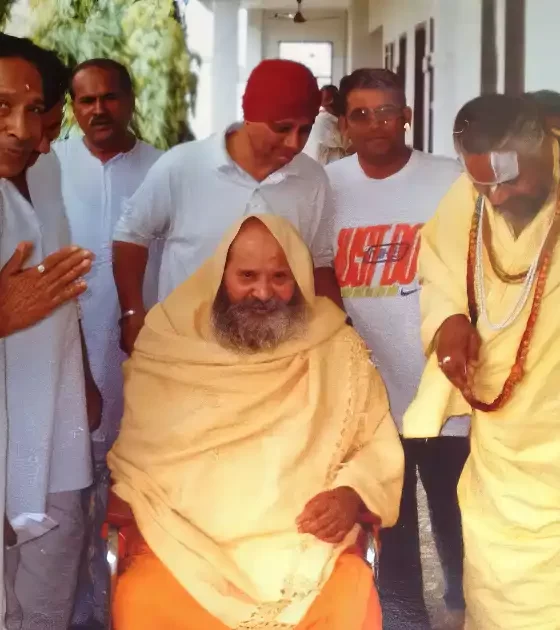
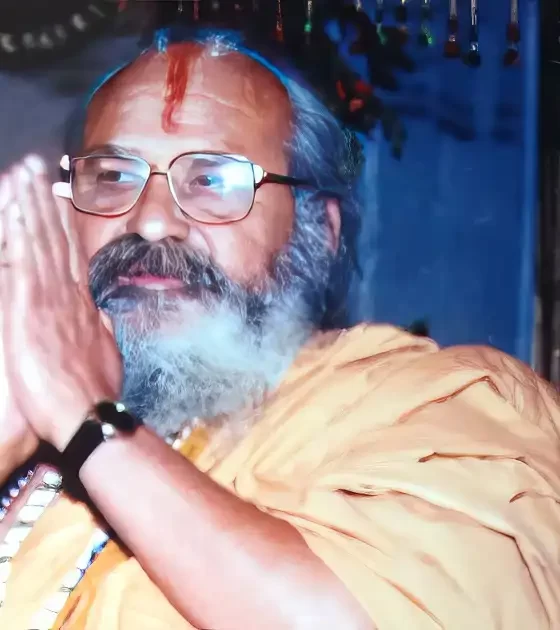
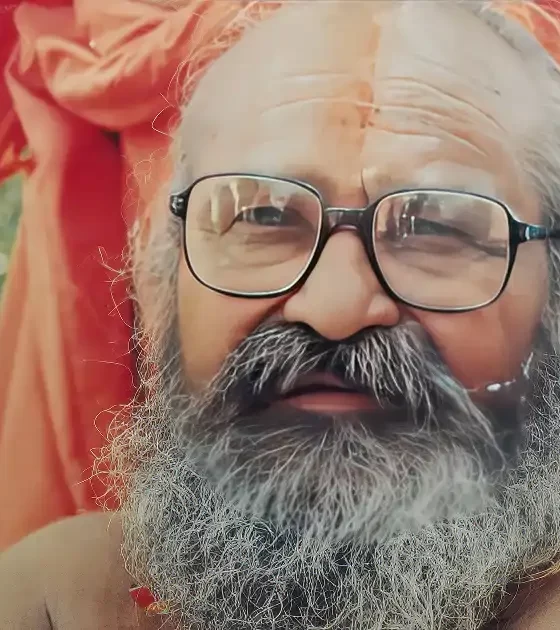
With my humble obeisance at the lotus feet of my beloved Guruji, I would like to pen my thoughts on Seva Dharma as taught by Him and other saints and savants. In the past 20 years of my intense association with saints and devotees of different faiths and beliefs, and through reading a lot of spiritual literature, I have come to the conclusion that Guruji’s message and discourses are the simplest to follow and practice. For a householder and medical practitioner like myself, today’s intensely busy materialistic world makes following the teachings of other saints difficult as these do not factor in the hectic schedule and lifestyle of modern-day living. I have concluded that if we follow Guruji’s teachings and remain associated with Siddhdata Ashram, we shall benefit both spiritually and materially.
The first and foremost aspect of Seva Dharma is the motive behind the seva. When we undertake to perform seva in any form—tan seva (service with the body), man seva (service with the mind), dhan seva (monetary service), or vachan seva (service through discourse/speech)—we need to ensure that the seva we are performing is devoid of any personal gain, whether it be name, fame, or monetary. Seva performed with personal agendas will seldom take a devotee very far. The motive behind seva should be to bring joy, happiness, and hope into the lives of poor, ignorant, and sorrowful devotees. Such seva, performed with a pure heart, will merit divine mercy and expedite the union of our Atman with the Parmatman.
Kainkarya Lakshan Vilakshan Moksha Bhajan is the message of the preceptor of our Sri Vaishnava Sampradaya, Bhagwan Sri Ramanujacharya. In the Ashram of Guruji, we should shed our material attachments of wealth, education, or other causes of superiority complexes and consider ourselves children of the one Lord Narayan and disciples of Guruji. We should be prepared to perform any task assigned to us, no matter how low. No seva is too big or too small, but the bhav (devotion) with which it is performed makes it accepted or rejected.
Seva should be performed silently. Seva that is all show and ostentatious actually causes the death of the seva bhav, resulting in the death of the spirit of Seva Dharma.
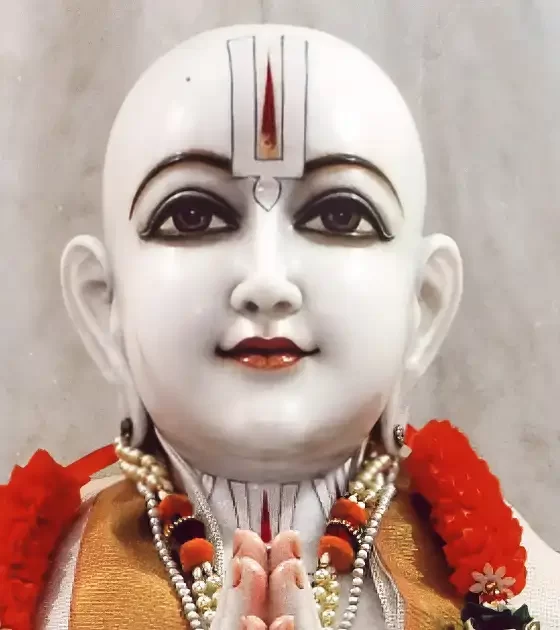
Lord Narayan has showered endless blessings on us by giving us this precious human birth. It is only with a human form that we can perform karmas that can ultimately take us to his Vaikuntha abode, allowing us the golden opportunity to serve his lotus feet. His blessings have further enabled us to find the refuge of our beloved Guruji and his Siddhdata Ashram. Guruji himself can free us from the misery of endless cycles of repeated births and deaths. Every opportunity to serve either Guruji or Guruji’s devotees should be availed by us and performed with a pure heart to not only do seva but also pay our debt to Lord Narayan for the endless bounties he showers upon us.
Any form of reward for service rendered should not be sought after. Even a word of thanks should not be sought after. Service where one expects some recognition or praise in return does not constitute true service. Rather, such seva constitutes bartering, where one exchanges one item for another.
During the course of seva, true Guru sevaks are prepared to bear blame, rebuke, or even insults. They welcome such affronts with patience and a smile.
In the true spirit of Seva Dharma, we should serve with love, gentleness, patience, and affection. Harsh words and anger should be avoided at all times. The true sevak is so engrossed in his seva and the thought of Guruji or Lord Narayan that there is no time to think or worry about the surroundings.
We should reform ourselves first and practice what we preach. Interference in someone else’s life is only good to a point. We should not derive pleasure from someone else’s misery.
We should behold the face of Lord Narayan and Guruji in all we serve, having compassion, sympathy, and affection for all, especially the poor, the illiterate, the broken, and the miserable.
If we keep the above principles in mind while practicing Seva Dharma at the Ashram, Guru Gaddis abroad, at home, or in society at large, then we will surely be the recipients of His Divine Grace. But remember, we will be able to imbibe the above principles in our character corresponding to our faith and love for our beloved Guruji.
Jai Gurudev! Jai Sri Laxmi Narayan!!
Summary:
In the reflections on Seva Dharma, the author expresses profound reverence for Guruji and highlights the importance of selfless service as taught by him. Through years of association with saints and spiritual literature, the author has found Guruji’s teachings to be the most practical for today’s busy life. The core of Seva Dharma is the pure motive behind the service, whether it be physical, mental, monetary, or through speech, emphasizing that true seva is devoid of personal gain. The service should bring joy and hope to others, performed silently and without expectation of recognition, to merit divine mercy and spiritual progress.
The principles of Seva Dharma involve shedding material attachments, embracing humility, and performing any task assigned with devotion. Seva should be done with love, gentleness, and patience, avoiding harsh words and anger. True sevaks should welcome blame or rebuke with patience, always seeing the face of Lord Narayan and Guruji in those they serve, particularly the poor and miserable. Practicing these principles ensures receiving divine grace, with one’s faith and love for Guruji being the foundation for imbibing these virtues.
Important Points:
Pure Motive for Seva:
- Perform seva without personal gain or desire for recognition.
- Aim to bring joy and hope to others with a pure heart.
Types of Seva:
- Tan seva (service with the body), man seva (service with the mind), dhan seva (monetary service), and vachan seva (service through speech).
Humility and Detachment:
- Shed material attachments and embrace humility.
- Perform any task with devotion, regardless of its nature.
Silent Service:
- Avoid ostentation and perform seva silently.
- True seva should not seek rewards or recognition.
Endurance and Patience:
- Bear blame, rebuke, or insults with patience and a smile.
- Serve with love, gentleness, and avoid harsh words and anger.
Seeing the Divine in All:
- See the face of Lord Narayan and Guruji in all those served.
- Have compassion and affection for the poor, illiterate, broken, and miserable.
Practicing What is Preached:
- Reform oneself first and avoid interference in others’ lives.
- Derive no pleasure from others’ misery.
Divine Grace:
- Following these principles ensures receiving divine grace.
- Faith and love for Guruji are essential for embodying these virtues.